by GabrielAdmin | Aug 20, 2019 | New, Teaching
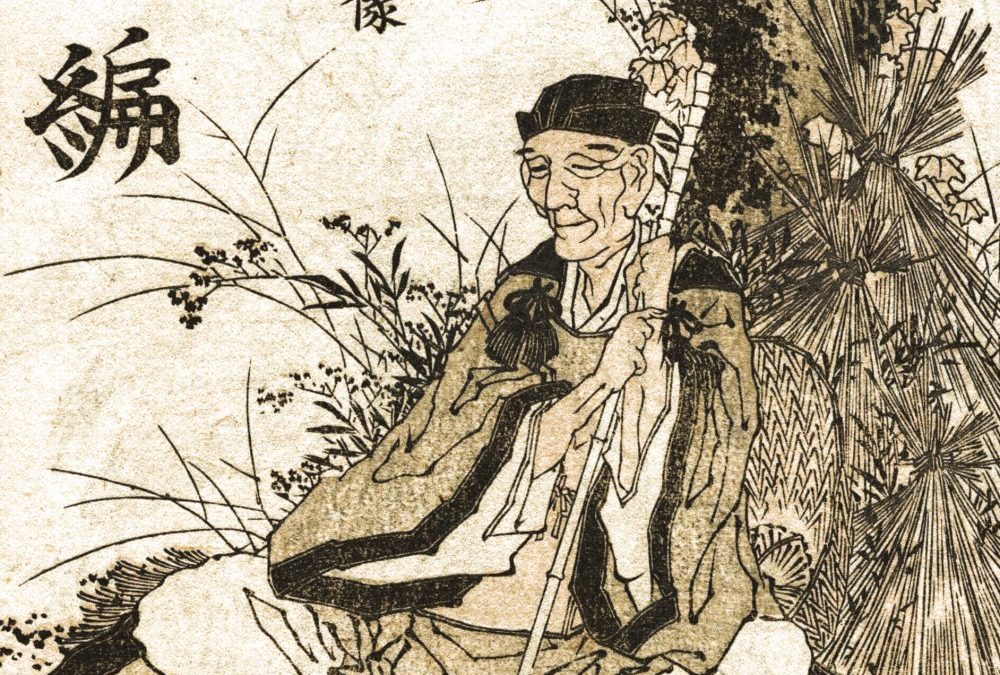
Introduction In the final week, we turn to the haiku, a well-known but often not well-understood form of ancient Japanese poetry, as well as other Japanese forms such as the haiban and the renga. The haiku form was created by a group of Japanese 17th century poets,... 
by GabrielAdmin | Aug 20, 2019 | New, Teaching
Introduction This week turns to the complex stanza, which arises out of the Baroque stylings of the golden age of Spanish poetry. The complex stanza is one in which there is a fixed and repeated, but intricate and twisting, pattern of rhymes and rhythms which the poet... 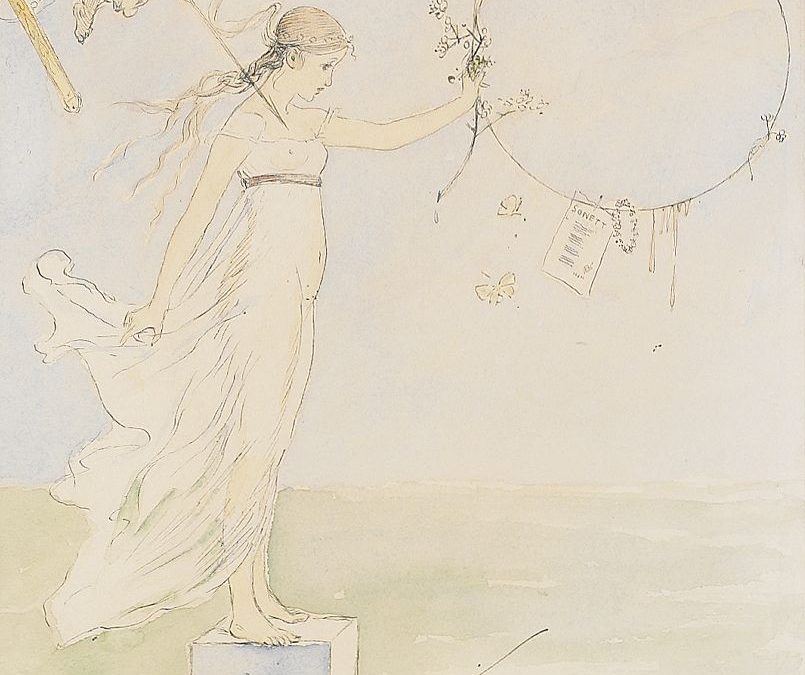
by GabrielAdmin | Aug 20, 2019 | New, Teaching, Uncategorized
Introduction This week looks at the sonnet in an attempt to get students to see beyond just the rhyme scheme and metrical traditions, but to see the sonnet as a particular vehicle for various different kinds of rhetorical effects. The structure of the sonnet... 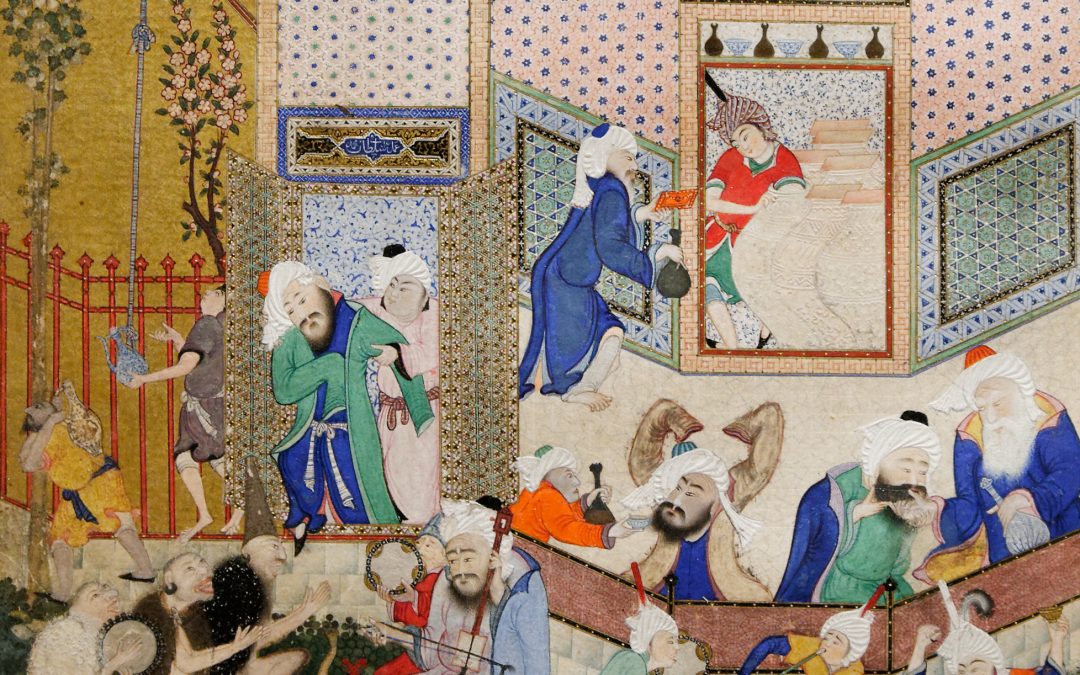
by GabrielAdmin | Aug 20, 2019 | New, Teaching
Introduction This week looks at the Persian poet Hafiz (also transliterated as Hafez) and the poetic form of the ghazal which he mastered. Hafiz’s was a lyrical poetry, with his ghazals often celebrating love or expressing feelings of loss. He was born in Shiraz,... 
by GabrielAdmin | Jul 3, 2019 | New, Teaching
Introduction This week looks at Anglo-Saxon poetry, and the ways in which the earliest English poetry has come back to influence more recent poets such as Hopkins, Hardy, Auden, and Hughes, following its reintroduction to school syllabuses in the late Victorian... 
by GabrielAdmin | Jul 3, 2019 | New, Teaching
Introduction This week looks at the development of Irish poetry, finding in its particular traditions a number of poetic practices and ways of working which modern students can adapt to their own poetry-writing. It begins with another insight into how the practice of... 
Recent Comments